Navigating menstrual symptoms like cramps, bloating, mood swings, and fatigue can feel overwhelming. While medication can help, what you eat also plays a big role in managing these symptoms. Certain foods can help ease discomfort and give you energy, while others might worsen your symptoms. Let’s break down the best and worst foods for your period to help you feel better each cycle.
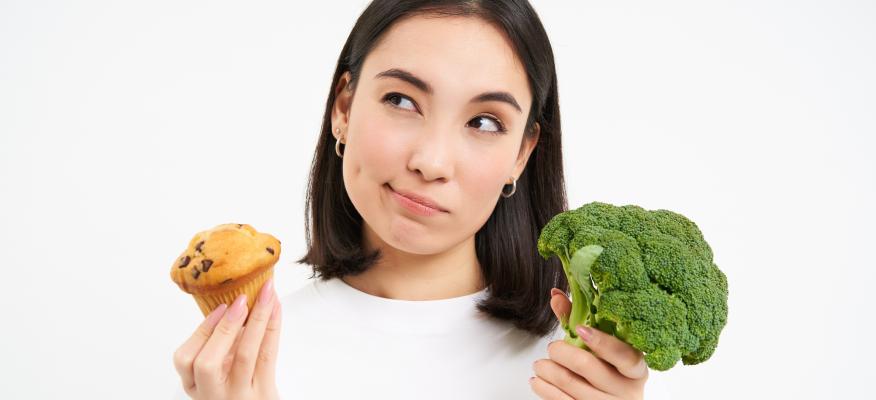
Best Foods for Your Period
1. Leafy Greens: Iron-Rich and Anti-Inflammatory
Leafy greens like spinach, kale, and Swiss chard are packed with iron, which can be especially helpful if you experience heavy bleeding. They’re also high in magnesium, which helps relieve muscle cramps and reduce inflammation.
How to Include: Add them to salads, smoothies, or soups to increase your iron intake without extra supplements.
2. Salmon: Omega-3 Powerhouse for Reducing Cramps
Salmon is rich in omega-3 fatty acids, which have anti-inflammatory properties that can help reduce menstrual pain. Omega-3s work by reducing the production of prostaglandins, compounds that cause painful cramps.
How to Include: Enjoy grilled or baked salmon, or add it to salads and wraps for a protein boost.
3. Bananas: Easing Bloating and Muscle Cramps
Bananas are packed with potassium and vitamin B6, both of which help relieve bloating and reduce muscle cramps. The natural sugars in bananas can also give you a quick energy boost when fatigue hits.
How to Include: Snack on bananas or add them to your breakfast for an easy, nutrient-rich option.
4. Dark Chocolate: Boosting Mood and Iron Levels
Good news—dark chocolate is beneficial for your period! Rich in magnesium and iron, dark chocolate helps fight fatigue, cramps, and mood swings. Magnesium has been shown to improve mood, which can be especially helpful for reducing irritability during PMS.
How to Include: Choose high-quality dark chocolate (70% cacao or higher) as a snack or dessert.
5. Nuts and Seeds: Protein, Fiber, and Healthy Fats
Almonds, walnuts, and chia seeds provide healthy fats, protein, and fiber, which keep you feeling full and energized. They’re also rich in magnesium and omega-3s, which help reduce cramping and mood swings.
How to Include: Sprinkle nuts and seeds on yogurt, oatmeal, or salads for added crunch and nutrients.
6. Ginger: Soothing Pain and Reducing Nausea
Ginger has anti-inflammatory and analgesic properties, making it a popular natural remedy for menstrual cramps and nausea. Studies suggest that ginger may be as effective as ibuprofen for relieving pain during menstruation.
How to Include: Add fresh ginger to hot water for tea, or use it in stir-fries, soups, or smoothies.
7. Water-Rich Fruits: Staying Hydrated and Reducing Bloating
Fruits like watermelon, cucumber, and oranges have high water content, which helps keep you hydrated and reduce bloating. Staying hydrated can also help reduce cramps and alleviate fatigue.
How to Include: Snack on these fruits throughout the day, or add them to smoothies for a refreshing boost.
Worst Foods for Your Period
1. Caffeine: Increasing Anxiety and Dehydration
Caffeine, found in coffee, energy drinks, and some teas, can worsen period symptoms like anxiety, irritability, and bloating. Caffeine constricts blood vessels, which can worsen cramps, and it can dehydrate you, leading to increased fatigue.
How to Exclude: Limit coffee intake, and opt for caffeine-free herbal teas or decaf coffee.
2. Processed Foods: High in Sodium and Sugar
Processed foods, such as chips, canned soups, and frozen meals, are often high in sodium and added sugars. Sodium causes water retention, leading to bloating, while added sugars can spike and crash your blood sugar, worsening mood swings.
How to Exclude: Try to cook at home using fresh ingredients to control salt and sugar intake.
3. Sugary Snacks: Energy Crashes and Mood Swings
Sugary snacks like candy, pastries, and soft drinks cause blood sugar levels to spike and then quickly drop, which can lead to mood swings and energy crashes. High sugar intake can also increase inflammation, worsening cramps and bloating.
How to Exclude: Swap sugary snacks for fruits or nuts to satisfy your sweet cravings without the sugar crash.
4. Red Meat: High in Prostaglandins, Worsening Cramps
Red meat contains high levels of arachidonic acid, which stimulates the production of prostaglandins, compounds that can intensify menstrual cramps. This can lead to more intense cramping and discomfort.
How to Exclude: Opt for lean protein sources, such as fish, chicken, or plant-based options like beans and lentils.
5. Dairy Products: Potential Bloating and Inflammation
For some people, dairy can cause bloating and inflammation, both of which can worsen period symptoms. Dairy contains arachidonic acid, which may contribute to increased cramping.
How to Exclude: If dairy causes issues for you, try dairy-free alternatives like almond or oat milk.
6. Fried Foods: High in Trans Fats and Inflammatory Compounds
Fried foods are high in trans fats, which can increase inflammation and worsen menstrual cramps. Trans fats are known to elevate prostaglandin levels, which can lead to painful cramps and bloating.
How to Exclude: Limit fried food intake during your period and opt for grilled or baked foods instead.
7. Alcohol: Disrupting Hormones and Dehydration
Alcohol can lead to dehydration, which can worsen cramps and increase fatigue. It also disrupts hormone levels, which may lead to mood swings and intensified PMS symptoms.
How to Exclude: Try to reduce alcohol intake around your period, and replace it with hydrating drinks like herbal teas or infused water.
Tips for a Period-Friendly Diet
- Stay Hydrated: Drink plenty of water throughout your period to help reduce bloating and improve overall energy levels.
- Eat Small, Frequent Meals: Instead of three large meals, consider eating smaller meals more frequently. This can help keep your energy levels steady and reduce bloating.
- Listen to Your Body: Every person is unique, so pay attention to how certain foods affect your period symptoms. Make adjustments based on what feels best for you.
FAQs
1. Can I eat chocolate during my period?
Yes, dark chocolate is actually beneficial due to its magnesium and iron content, which help with cramps and mood swings. Just opt for dark chocolate (70% cacao or higher) rather than sugary milk chocolate.
2. How does water help during menstruation?
Staying hydrated reduces bloating and cramps, as dehydration can worsen these symptoms. Water also helps with fatigue, keeping you more energized.
3. Are there specific fruits that help with period pain?
Yes, bananas, watermelon, and oranges are great choices. Bananas help with cramping due to their potassium, while water-rich fruits like watermelon and oranges keep you hydrated and reduce bloating.4. Should I avoid dairy on my period?
Some people find dairy worsens bloating and cramps. If you notice discomfort after consuming dairy, try reducing it and seeing if your symptoms improve.
5. Is caffeine bad for menstrual cramps?
Caffeine can worsen cramps by constricting blood vessels and dehydrating the body, which may increase period pain and bloating. Opt for herbal teas instead.
Conclusion
What you eat during your period can have a significant impact on how you feel. Choosing anti-inflammatory, nutrient-rich foods like leafy greens, salmon, bananas, and dark chocolate can ease cramps, reduce bloating, and even improve your mood. At the same time, avoiding caffeine, processed foods, and alcohol can help prevent uncomfortable symptoms. With a bit of planning, you can manage your diet in a way that supports your body and helps you get through your period with less discomfort.

No comments:
Post a Comment