Showing posts with label Food. Show all posts

Wednesday, February 12, 2025

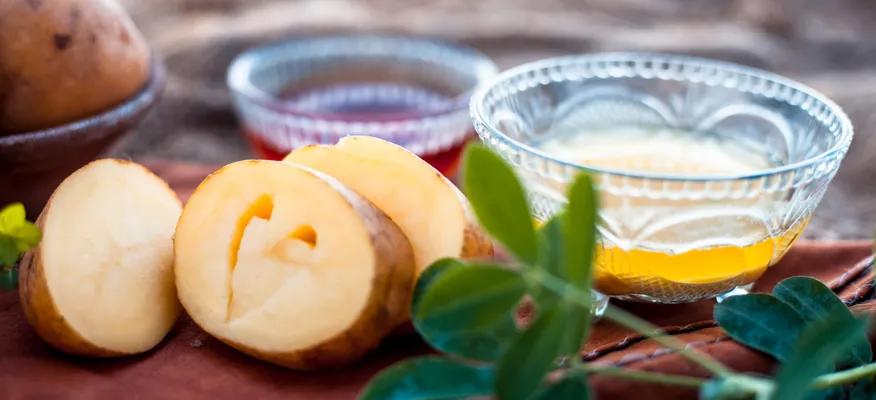
Potato Juice for Face: The Surprising Skincare Secret You Need to Try 🥔✨

 When you think of potatoes, you probably imagine crispy fries or mashed potatoes, right? 🍟 While those are delicious, potato juice might just be the skincare secret you didn’t know you needed! Yes, you read that correctly—potato juice for face is a natural remedy that’s been used for centuries to help with everything from dark spots to wrinkles.

Now, before you think we’ve gone totally potato-crazy, let’s break down why this humble vegetable might be the next big thing in your skincare routine. Spoiler alert: It’s way more than just a dinner side dish! 🥔💁‍♀️


Why Potato Juice for Face? 🤔

Potatoes are rich in vitamins and minerals that can give your skin a much-needed boost. Here’s why potato juice is a game-changer for your face:

  1. Packed with Vitamin C: Potatoes are full of vitamin C, which helps your skin stay bright and radiant. This powerhouse vitamin also helps to reduce dark spots and even out skin tone, giving you a fresh, glowing complexion.

  2. Natural Skin Lightener: If you’re looking to fade dark spots or blemishes, potato juice can work wonders. It has enzymes and natural bleaching properties that can gently lighten skin discoloration.

  3. Reduces Puffiness and Under-Eye Circles: Potato juice has anti-inflammatory properties that can help reduce swelling and puffiness under the eyes. Say goodbye to tired-looking eyes and hello to a refreshed, bright-eyed you! 👀✨

  4. Fights Wrinkles and Fine Lines: Potatoes are also packed with antioxidants, which help protect the skin from aging and environmental damage. If you're hoping to keep those fine lines at bay, potato juice might just be your new best friend!


How to Use Potato Juice for Your Face 🥔💧

Ready to see how this simple kitchen ingredient can work magic on your skin? Here’s a super easy guide to using potato juice for face:

What You’ll Need:

  • 1 medium-sized potato (any variety works!)
  • A grater or blender
  • A clean cloth or cotton ball

Steps:

  1. Prep the Potato: Wash the potato thoroughly to remove any dirt. You don’t even need to peel it—just scrub it clean!

  2. Grate or Blend the Potato: Use a grater to shred the potato or blend it into a smooth paste. The goal is to release all that juice. If you’re using a grater, simply place the shreds in a small bowl.

  3. Extract the Juice: Once you’ve grated or blended the potato, squeeze the juice out with a clean cloth or strainer. You should have a nice, fresh juice ready for your face!

  4. Apply to Your Face: Use a cotton ball to apply the fresh potato juice directly onto your face. You can also use your hands, but be sure they’re clean. Gently pat the juice all over your face, focusing on areas with dark spots, puffiness, or fine lines.

  5. Let it Sit: Let the juice sit on your face for about 15-20 minutes. Feel free to kick back, relax, and enjoy the soothing sensation!

  6. Rinse Off: Once the time is up, wash your face with lukewarm water. Pat your face dry with a soft towel and apply a light moisturizer to keep your skin hydrated.


Potato Juice Face Mask Ideas: A Fun Twist! 🎉

If you want to take your potato juice game to the next level, here are a couple of fun face mask ideas using potato juice:

1. Potato Juice & Honey Mask 🍯

  • Mix potato juice with a spoonful of honey (which is great for moisturizing and antibacterial purposes).
  • Apply it to your face and leave it on for 15-20 minutes.
  • Honey helps to lock in moisture, while potato juice works on brightening your skin.

2. Potato Juice & Lemon Mask 🍋

  • Combine potato juice with a few drops of lemon juice. Lemon is full of vitamin C and works as a gentle exfoliant, helping to brighten your skin even more.
  • Apply to your face and let it sit for about 15 minutes, then rinse off.
  • This mask is especially great if you're looking to reduce dark spots or dull skin.

Benefits of Potato Juice for Face: Let’s Break It Down!

So why should you make potato juice for face a part of your skincare routine? Here are some of the main benefits:

  • Brightens your skin: Potato juice helps to even out skin tone and fade dark spots, leaving your skin glowing.
  • Fights puffiness: If you have puffy eyes or swollen skin, potato juice can help reduce inflammation.
  • Smooths fine lines: The antioxidants in potatoes help protect your skin and keep it youthful.
  • Hydrates and nourishes: Potato juice is full of water and vitamins, which help keep your skin hydrated and nourished.
  • Treats acne: The antibacterial properties of potato juice can help fight acne and reduce blemishes.

Final Thoughts: Who Knew Potatoes Were So Good for Your Skin? 🥔✨

Who would’ve thought that a humble potato could work wonders on your face? Whether you want to brighten your skin, fight puffiness, or reduce fine lines, potato juice for face is a natural, affordable, and fun skincare remedy to try.

The best part? It’s super easy to make at home and can fit right into your regular skincare routine. Just a few minutes, a fresh potato, and you’re on your way to glowing, smooth skin. ✨

So, next time you’re in the kitchen, don’t toss those potatoes in the pot—try squeezing out some juice for a fresh skincare boost instead! Your skin will thank you! 😍

Got any cool potato juice tips or other natural skincare remedies? Share them in the comments below! We love hearing your fun beauty hacks! 💬

Tuesday, February 11, 2025

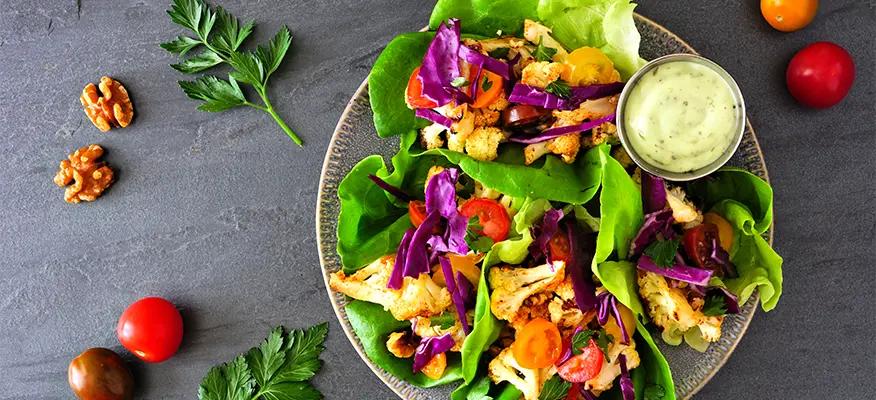
The Benefits of Eating Salad at Night: A Crunchy Way to End Your Day!

Who says salads are just for lunch? If you're looking for a tasty, healthy, and light dinner option, the benefits of eating salad at night might just surprise you. It's a fun and refreshing way to wind down after a busy day while keeping your health in check. Let’s dive into why tossing some greens in a bowl at night can be a game-changer for your well-being!

1. Keeps You Light and Energized

We all know how heavy meals can make us feel sluggish before bed. But when you enjoy the benefits of eating salad at night, you're fueling your body with nutrients without the extra heaviness. Salads are packed with fresh veggies, leafy greens, and light proteins (like chicken or tofu), which help keep you feeling light and energized instead of bloated.

2. Helps with Digestion

Salads are full of fiber, which is fantastic for keeping your digestive system happy! When you experience the benefits of eating salad at night, you help your body digest food better and avoid uncomfortable feelings of indigestion. Plus, fiber keeps everything running smoothly, so you wake up feeling fresh and not bloated!

3. Promotes Better Sleep

If you’re craving a good night’s sleep, the benefits of eating salad at night might be just what you need. Certain ingredients in salads, like leafy greens (think spinach or kale), contain magnesium, which helps relax your muscles and promotes restful sleep. Healthy fats like avocado or nuts can also help balance your blood sugar and keep your sleep cycle in check.

4. Great for Weight Management

Trying to manage your weight? The benefits of eating salad at night are definitely in your favor. It’s a low-calorie, nutrient-packed meal that fills you up thanks to all the fiber, without piling on extra calories. This can curb those late-night snack cravings and help you maintain a healthy balance.

5. Boosts Your Skin Glow

Eating nutrient-packed foods like those found in salads can do wonders for your skin! Veggies like carrots, cucumbers, and tomatoes are rich in antioxidants, vitamins, and minerals that promote healthy skin and reduce inflammation. By enjoying these before bed, you're giving your skin the nutrients it needs to heal and rejuvenate while you sleep. So, one of the benefits of eating salad at night is giving yourself a beautiful, glowing complexion by morning!

6. Mood-Boosting Goodness

Salads can actually help improve your mood! Many salad ingredients contain vitamins and minerals that support the production of happy hormones like serotonin. Eating these before bed allows you to feel more relaxed and content, letting you end your day with a smile.

7. It’s Quick and Easy!

Not in the mood to cook up a big meal at night? The benefits of eating salad at night include the fact that it’s quick and simple! You can toss together a salad in minutes with minimal prep time. If you’re in a rush, you can even prep it ahead of time and grab it when you're ready. Add some protein (like grilled chicken or chickpeas) to make it more filling and satisfying.

8. A Fun Way to Experiment

The benefits of eating salad at night also include the chance to get creative! Salads can be anything you want them to be. Mix and match your favorite veggies, fruits, nuts, and dressings. Want to add a little sweetness with berries or give it a protein boost with quinoa? The possibilities are endless, and you can make a salad that’s just as fun as it is nutritious.

The Bottom Line:

The benefits of eating salad at night are clear: it’s a light, healthy, and easy option that’s great for your body and mind. It’s gentle on your digestion, helps you sleep better, keeps your skin glowing, and even boosts your mood. Plus, it’s a simple way to manage your weight and get creative in the kitchen. So why not give it a try? Enjoy a crunchy, vibrant salad tonight – your body will thank you in the morning! 🥗✨

What’s your favorite salad to eat at night? Let us know!

Thursday, October 31, 2024

Best and Worst Foods for Your Period: What to Include and Exclude

 Navigating menstrual symptoms like cramps, bloating, mood swings, and fatigue can feel overwhelming. While medication can help, what you eat also plays a big role in managing these symptoms. Certain foods can help ease discomfort and give you energy, while others might worsen your symptoms. Let’s break down the best and worst foods for your period to help you feel better each cycle.


Best Foods for Your Period

1. Leafy Greens: Iron-Rich and Anti-Inflammatory

Leafy greens like spinach, kale, and Swiss chard are packed with iron, which can be especially helpful if you experience heavy bleeding. They’re also high in magnesium, which helps relieve muscle cramps and reduce inflammation.

How to Include: Add them to salads, smoothies, or soups to increase your iron intake without extra supplements.


2. Salmon: Omega-3 Powerhouse for Reducing Cramps

Salmon is rich in omega-3 fatty acids, which have anti-inflammatory properties that can help reduce menstrual pain. Omega-3s work by reducing the production of prostaglandins, compounds that cause painful cramps.

How to Include: Enjoy grilled or baked salmon, or add it to salads and wraps for a protein boost.


3. Bananas: Easing Bloating and Muscle Cramps

Bananas are packed with potassium and vitamin B6, both of which help relieve bloating and reduce muscle cramps. The natural sugars in bananas can also give you a quick energy boost when fatigue hits.

How to Include: Snack on bananas or add them to your breakfast for an easy, nutrient-rich option.


4. Dark Chocolate: Boosting Mood and Iron Levels

Good news—dark chocolate is beneficial for your period! Rich in magnesium and iron, dark chocolate helps fight fatigue, cramps, and mood swings. Magnesium has been shown to improve mood, which can be especially helpful for reducing irritability during PMS.

How to Include: Choose high-quality dark chocolate (70% cacao or higher) as a snack or dessert.


5. Nuts and Seeds: Protein, Fiber, and Healthy Fats

Almonds, walnuts, and chia seeds provide healthy fats, protein, and fiber, which keep you feeling full and energized. They’re also rich in magnesium and omega-3s, which help reduce cramping and mood swings.

How to Include: Sprinkle nuts and seeds on yogurt, oatmeal, or salads for added crunch and nutrients.


6. Ginger: Soothing Pain and Reducing Nausea

Ginger has anti-inflammatory and analgesic properties, making it a popular natural remedy for menstrual cramps and nausea. Studies suggest that ginger may be as effective as ibuprofen for relieving pain during menstruation.

How to Include: Add fresh ginger to hot water for tea, or use it in stir-fries, soups, or smoothies.


7. Water-Rich Fruits: Staying Hydrated and Reducing Bloating

Fruits like watermelon, cucumber, and oranges have high water content, which helps keep you hydrated and reduce bloating. Staying hydrated can also help reduce cramps and alleviate fatigue.

How to Include: Snack on these fruits throughout the day, or add them to smoothies for a refreshing boost.


Worst Foods for Your Period

1. Caffeine: Increasing Anxiety and Dehydration

Caffeine, found in coffee, energy drinks, and some teas, can worsen period symptoms like anxiety, irritability, and bloating. Caffeine constricts blood vessels, which can worsen cramps, and it can dehydrate you, leading to increased fatigue.

How to Exclude: Limit coffee intake, and opt for caffeine-free herbal teas or decaf coffee.


2. Processed Foods: High in Sodium and Sugar

Processed foods, such as chips, canned soups, and frozen meals, are often high in sodium and added sugars. Sodium causes water retention, leading to bloating, while added sugars can spike and crash your blood sugar, worsening mood swings.

How to Exclude: Try to cook at home using fresh ingredients to control salt and sugar intake.


3. Sugary Snacks: Energy Crashes and Mood Swings

Sugary snacks like candy, pastries, and soft drinks cause blood sugar levels to spike and then quickly drop, which can lead to mood swings and energy crashes. High sugar intake can also increase inflammation, worsening cramps and bloating.

How to Exclude: Swap sugary snacks for fruits or nuts to satisfy your sweet cravings without the sugar crash.


4. Red Meat: High in Prostaglandins, Worsening Cramps

Red meat contains high levels of arachidonic acid, which stimulates the production of prostaglandins, compounds that can intensify menstrual cramps. This can lead to more intense cramping and discomfort.

How to Exclude: Opt for lean protein sources, such as fish, chicken, or plant-based options like beans and lentils.


5. Dairy Products: Potential Bloating and Inflammation

For some people, dairy can cause bloating and inflammation, both of which can worsen period symptoms. Dairy contains arachidonic acid, which may contribute to increased cramping.

How to Exclude: If dairy causes issues for you, try dairy-free alternatives like almond or oat milk.


6. Fried Foods: High in Trans Fats and Inflammatory Compounds

Fried foods are high in trans fats, which can increase inflammation and worsen menstrual cramps. Trans fats are known to elevate prostaglandin levels, which can lead to painful cramps and bloating.

How to Exclude: Limit fried food intake during your period and opt for grilled or baked foods instead.


7. Alcohol: Disrupting Hormones and Dehydration

Alcohol can lead to dehydration, which can worsen cramps and increase fatigue. It also disrupts hormone levels, which may lead to mood swings and intensified PMS symptoms.

How to Exclude: Try to reduce alcohol intake around your period, and replace it with hydrating drinks like herbal teas or infused water.


Tips for a Period-Friendly Diet

  • Stay Hydrated: Drink plenty of water throughout your period to help reduce bloating and improve overall energy levels.
  • Eat Small, Frequent Meals: Instead of three large meals, consider eating smaller meals more frequently. This can help keep your energy levels steady and reduce bloating.
  • Listen to Your Body: Every person is unique, so pay attention to how certain foods affect your period symptoms. Make adjustments based on what feels best for you.

FAQs

1. Can I eat chocolate during my period?

Yes, dark chocolate is actually beneficial due to its magnesium and iron content, which help with cramps and mood swings. Just opt for dark chocolate (70% cacao or higher) rather than sugary milk chocolate.

2. How does water help during menstruation?

Staying hydrated reduces bloating and cramps, as dehydration can worsen these symptoms. Water also helps with fatigue, keeping you more energized.

3. Are there specific fruits that help with period pain?

Yes, bananas, watermelon, and oranges are great choices. Bananas help with cramping due to their potassium, while water-rich fruits like watermelon and oranges keep you hydrated and reduce bloating.

4. Should I avoid dairy on my period?

Some people find dairy worsens bloating and cramps. If you notice discomfort after consuming dairy, try reducing it and seeing if your symptoms improve.

5. Is caffeine bad for menstrual cramps?

Caffeine can worsen cramps by constricting blood vessels and dehydrating the body, which may increase period pain and bloating. Opt for herbal teas instead.


Conclusion

What you eat during your period can have a significant impact on how you feel. Choosing anti-inflammatory, nutrient-rich foods like leafy greens, salmon, bananas, and dark chocolate can ease cramps, reduce bloating, and even improve your mood. At the same time, avoiding caffeine, processed foods, and alcohol can help prevent uncomfortable symptoms. With a bit of planning, you can manage your diet in a way that supports your body and helps you get through your period with less discomfort.


Drinking Tea for Menstrual Relief: A Look at the Evidence

Managing menstrual discomfort can be challenging, and while over-the-counter medications help, many people seek natural alternatives like herbal teas to ease symptoms. Certain teas contain compounds with anti-inflammatory, antispasmodic, and calming effects, potentially relieving cramps, bloating, and mood swings. Let’s explore the types of teas that may offer relief during menstruation and the science behind their effectiveness.


How Tea Can Help with Menstrual Symptoms

Herbal teas contain bioactive compounds—naturally occurring chemicals that interact with the body to produce certain effects. Many of these compounds, such as flavonoids, tannins, and antioxidants, reduce inflammation and relax muscles, helping with symptoms like cramps and bloating. Additionally, the warmth of tea itself can help soothe abdominal pain and provide comfort, while specific teas may even affect hormone levels, promoting menstrual regularity.


Top Teas for Menstrual Relief

1. Ginger Tea: Reducing Inflammation and Pain

Ginger is well-known for its anti-inflammatory and analgesic properties, which can relieve menstrual cramps. Studies show that ginger inhibits the production of prostaglandins—chemicals that trigger uterine muscle contractions and cause cramps. Some research suggests that ginger may be as effective as ibuprofen for menstrual pain relief.

How to Use: Brew fresh ginger root or use ginger tea bags. Drinking 1–2 cups a day during your cycle may reduce pain and inflammation.


2. Chamomile Tea: Calming Cramps and Promoting Relaxation

Chamomile contains flavonoids and apigenin, which are known to reduce inflammation and relax the uterus. Additionally, chamomile is often used for its calming effects, helping alleviate mood swings, irritability, and anxiety that accompany PMS. Chamomile’s relaxing properties make it beneficial for those who experience sleep disturbances during menstruation.

How to Use: Drink chamomile tea 2–3 times a day, especially in the evenings, for relaxation and cramp relief.


3. Peppermint Tea: Alleviating Cramps and Reducing Bloating

Peppermint contains menthol, which has antispasmodic effects that can help relieve uterine cramps and relax the muscles of the digestive tract. This can reduce both menstrual cramps and the bloating often associated with PMS. Peppermint tea also has a cooling effect, which can ease discomfort and provide a refreshing taste.

How to Use: Drink 1–2 cups of peppermint tea daily during your menstrual period to alleviate cramps and bloating.


4. Cinnamon Tea: Anti-Inflammatory and Blood Flow Enhancer

Cinnamon is both anti-inflammatory and antispasmodic, which helps reduce pain and cramps. It also improves blood circulation, which can help alleviate menstrual symptoms by encouraging blood flow and reducing clotting. Some studies suggest that cinnamon may also help reduce heavy menstrual bleeding.

How to Use: Add a cinnamon stick to hot water, or use cinnamon tea bags. Drink once daily to experience its soothing effects.


5. Raspberry Leaf Tea: Toning the Uterus

Raspberry leaf tea is traditionally used for women’s health and is thought to help tone and strengthen the uterine muscles. It contains fragrine, an alkaloid that can reduce menstrual cramps by relaxing the uterus. Raspberry leaf tea is often used to ease menstrual discomfort and support overall reproductive health.

How to Use: Drink 1–2 cups a day during your menstrual cycle. Some people use raspberry leaf tea in the days leading up to their period as well.


6. Green Tea: Fighting Bloating and Mood Swings

Green tea is rich in antioxidants and polyphenols, which can help reduce inflammation and oxidative stress. Green tea also has a small amount of caffeine, which can improve alertness and mood without causing jitteriness. However, be cautious if you’re sensitive to caffeine, as too much can worsen anxiety for some people.

How to Use: Enjoy a cup of green tea in the morning or early afternoon to support mental clarity and reduce bloating.


7. Fennel Tea: Natural Antispasmodic Effects

Fennel contains anethole, a compound with antispasmodic properties, which can relax the uterus and relieve cramps. Fennel is also known for reducing bloating and supporting digestion, making it an ideal choice for managing both abdominal discomfort and menstrual pain.

How to Use: Brew fennel seeds or use a fennel tea bag. Drink 1–2 cups a day for pain and bloating relief.


The Science Behind Herbal Teas and Menstrual Health

Can Herbal Teas Really Replace Medications?

While herbal teas have demonstrated effectiveness in managing menstrual symptoms, they may not work for everyone or be as fast-acting as medication. Herbal teas typically work best as a complementary treatment rather than a complete replacement for medications. Studies show that ginger and chamomile, for instance, are effective in reducing menstrual pain and PMS symptoms, but more research is needed for other herbal teas.

Precautions and Considerations

Some herbs may interact with medications or have contraindications for certain health conditions, so it’s essential to consult a healthcare professional before introducing new herbal teas to your routine. Additionally, if you’re pregnant or breastfeeding, consult a doctor before drinking herbal teas.


FAQs

1. How many cups of herbal tea should I drink for menstrual relief?

It depends on the tea type, but generally, 1–3 cups daily is effective for most people. Adjust according to how you feel and any sensitivity to herbs or caffeine.

2. Can I combine different teas for better results?

Yes, you can blend certain teas, such as chamomile and peppermint, for a soothing and effective combination. Avoid mixing teas with similar active compounds to prevent overstimulation or excessive effects.

3. Are there any side effects to drinking these teas?

Most people tolerate herbal teas well, but some may experience mild side effects like an upset stomach or drowsiness. Limit intake if you notice any adverse reactions.

4. How soon before my period should I start drinking these teas?

For best results, start drinking menstrual relief teas 1–2 days before your period begins, especially if you’re prone to severe cramps or PMS symptoms.

5. Is it safe to drink tea every day during my cycle?

Yes, herbal teas are generally safe to drink daily, especially during your menstrual cycle. However, monitor your body's response and adjust intake if necessary.


Conclusion

Drinking tea for menstrual relief is a natural, comforting way to manage cramps, bloating, and mood swings. Teas like ginger, chamomile, and peppermint each offer unique benefits for reducing pain and improving mood, while cinnamon and raspberry leaf teas support uterine health and blood flow. While herbal teas can be an excellent addition to your routine, remember they may work best alongside other lifestyle adjustments, such as staying hydrated and maintaining a balanced diet. Always consult with a healthcare provider if you’re exploring natural remedies, especially if you have any health concerns.

How Your Diet Affects Your Menstrual Cycle: Foods for Regularity

 Your menstrual cycle is closely linked to your diet, and the foods you consume can play a significant role in supporting a healthy, regular cycle. Nutrients, vitamins, and minerals in various foods can help balance hormones, reduce PMS symptoms, and promote overall reproductive health. In this guide, we'll look at how specific foods affect the menstrual cycle and which ones can help maintain regularity.


How Diet Influences the Menstrual Cycle

Your menstrual cycle relies on a complex interplay of hormones, including estrogen, progesterone, and luteinizing hormone, which are sensitive to changes in nutrient levels. A balanced diet rich in essential nutrients can help regulate these hormones, ensuring a smoother cycle. Factors like blood sugar stability, inflammation, and stress hormones are also influenced by diet and can directly impact menstrual health.


Foods to Support a Regular Menstrual Cycle

1. Leafy Greens: Rich in Iron and Magnesium

Leafy greens like spinach, kale, and swiss chard are high in iron and magnesium, two minerals that are essential for menstruating women. Iron helps prevent anemia, which is common in women with heavy periods, while magnesium can reduce muscle cramps and PMS symptoms by relaxing muscles and balancing hormones.

Quick Tip: Add leafy greens to your daily diet in salads, smoothies, or as side dishes to boost your iron and magnesium intake.


2. Whole Grains: Stabilizing Blood Sugar Levels

Whole grains, such as oats, brown rice, and quinoa, are packed with fiber and complex carbohydrates that help stabilize blood sugar levels. Blood sugar fluctuations can lead to hormonal imbalances, which may result in irregular cycles. Whole grains also contain B vitamins, which play a vital role in regulating estrogen levels.

Quick Tip: Start your day with oatmeal or add quinoa to salads for a blood-sugar-friendly meal that promotes cycle regularity.


3. Nuts and Seeds: Balancing Hormones with Essential Fats

Nuts and seeds, including almonds, walnuts, flaxseeds, and pumpkin seeds, are rich in omega-3 fatty acids and phytoestrogens. Omega-3s reduce inflammation, which can help manage PMS and menstrual cramps. Phytoestrogens are plant-based compounds that mimic estrogen, supporting hormone balance naturally.

Quick Tip: Add a handful of nuts and seeds to your diet each day. Try pumpkin seeds and flaxseeds in your smoothie or sprinkle walnuts on yogurt.


4. Fatty Fish: Reducing Inflammation and Easing PMS Symptoms

Fatty fish like salmon, mackerel, and sardines are excellent sources of omega-3 fatty acids, which help reduce inflammation and support brain health. Omega-3s have also been shown to help reduce the intensity of menstrual cramps and balance hormones. They’re also a good source of vitamin D, which can help alleviate PMS symptoms and support mood stability.

Quick Tip: Aim to eat fatty fish at least twice a week to enjoy its full benefits. If you’re not a fan of fish, consider a quality omega-3 supplement.


5. Dark Chocolate: A Sweet Solution to Cramps and Mood Swings

Dark chocolate (at least 70% cocoa) is rich in magnesium, which helps reduce muscle tension and alleviate PMS symptoms. It also contains antioxidants that can improve mood and reduce stress. Eating dark chocolate in moderation can be a healthy way to satisfy cravings while supporting menstrual health.

Quick Tip: Treat yourself to a small piece of dark chocolate daily, especially during your menstrual cycle, to benefit from its mood-boosting and anti-cramp effects.


6. Fruits High in Antioxidants: Boosting Overall Menstrual Health

Berries, oranges, and cherries are high in antioxidants and vitamin C, which support a healthy menstrual cycle. Vitamin C aids iron absorption, crucial for women with heavy periods, and can help reduce inflammation. Antioxidants protect against oxidative stress that can disrupt hormonal balance.

Quick Tip: Incorporate a variety of fruits in your diet to get the full spectrum of antioxidants and vitamins for menstrual health.


7. Legumes and Beans: A Rich Source of Protein and Fiber

Beans and legumes, such as lentils, chickpeas, and black beans, provide a plant-based source of protein, fiber, and iron. They help regulate blood sugar and provide energy while supporting hormone regulation. The fiber in legumes also aids in estrogen balance by promoting healthy digestion and elimination.

Quick Tip: Add chickpeas to salads, enjoy a lentil soup, or have black beans as a side dish to incorporate more legumes into your diet.


8. Water and Herbal Teas: Staying Hydrated and Alleviating Bloating

Hydration is essential for a smooth menstrual cycle. Drinking plenty of water helps prevent bloating, cramps, and headaches that often accompany PMS. Herbal teas, such as chamomile and ginger, are excellent choices for menstrual health as they soothe the digestive system and reduce inflammation.

Quick Tip: Keep a water bottle with you throughout the day and opt for herbal teas to stay hydrated and calm your digestive system.


Foods to Limit for a Healthier Menstrual Cycle

1. Processed Foods and Sugary Snacks

Processed foods and snacks high in refined sugars can lead to blood sugar spikes and crashes, which can interfere with hormone balance and exacerbate PMS symptoms. Aim to limit sugary snacks and opt for natural sources of sugar, such as fruits.

2. Caffeine

High caffeine intake can exacerbate anxiety, irritability, and PMS symptoms, as well as contribute to dehydration. While moderate coffee or tea is fine, try to limit caffeine intake, especially in the days leading up to your period.

3. Alcohol

Alcohol can interfere with hormonal balance and dehydrate the body, intensifying PMS symptoms. Reducing alcohol intake or avoiding it altogether can improve cycle regularity and reduce symptoms like bloating and mood swings.


FAQs

1. Can certain foods delay my period?

Yes, diets low in nutrients, high in processed foods, and irregular eating habits can cause hormonal imbalances that might delay your period. Eating a balanced diet is essential to support regular cycles.

2. How does fiber impact my menstrual health?

Fiber helps with digestion and regulates estrogen levels by promoting the elimination of excess hormones. This can lead to more balanced hormones and a more regular menstrual cycle.

3. Are there specific foods to eat before my period?

Yes, foods rich in magnesium (like leafy greens and dark chocolate) and complex carbs (like oats and whole grains) can help alleviate PMS symptoms. High-protein snacks and healthy fats can also stabilize mood and energy levels.

4. Can I avoid cramps by eating certain foods?

Yes, foods high in magnesium and omega-3 fatty acids, such as dark chocolate, leafy greens, and fatty fish, have muscle-relaxing and anti-inflammatory properties that can reduce cramps.

5. Does hydration really help with PMS?

Absolutely. Staying hydrated can alleviate bloating, cramps, and headaches associated with PMS. Drinking water and herbal teas can make a significant difference.


Conclusion

What you eat plays a crucial role in managing and maintaining a regular menstrual cycle. By incorporating leafy greens, whole grains, fatty fish, dark chocolate, and other nutrient-rich foods into your diet, you can promote better hormonal balance, reduce PMS symptoms, and support a healthy cycle. Embracing these foods and cutting down on processed items, caffeine, and alcohol can help you feel more balanced and at ease throughout the month.

Top 6 Stress-Relieving Fruits for a Calmer Mind

In today’s fast-paced world, stress is a common companion, affecting both physical and mental well-being. While lifestyle changes, exercise, and mindfulness practices can help manage stress, adding the right foods to your diet can also make a difference. Certain fruits are packed with essential nutrients that support mood balance and help calm the mind. Here’s a look at the top six stress-relieving fruits that can naturally ease tension and support a calmer mindset.


1. Bananas: The Mood-Boosting Powerhouse

Bananas are often referred to as nature’s “happy fruit,” thanks to their high levels of vitamin B6 and potassium. Vitamin B6 plays a crucial role in producing serotonin, the brain’s mood-stabilizing hormone, helping to ease anxiety and enhance a sense of well-being. Bananas are also high in natural sugars, giving you an energy boost without the sugar crash, which is often linked to mood swings and irritability.

Quick Tip: Add bananas to your morning smoothie or as a pre-workout snack to keep energy levels stable and mood steady throughout the day.


2. Blueberries: Small But Mighty in Stress Relief

Blueberries may be small, but they’re packed with antioxidants, especially anthocyanins—powerful compounds that help reduce inflammation and protect brain cells from oxidative stress. Blueberries are also rich in vitamin C, a known stress-buster that supports the adrenal glands during times of stress. These little berries can help stabilize cortisol (the “stress hormone”) levels, aiding in better stress management.

Quick Tip: Snack on a handful of blueberries during the day or add them to yogurt for a nutrient-packed treat that supports mental clarity and resilience.

3. Avocados: Creamy Goodness for Calmer Nerves

Technically a fruit, avocados are a rich source of healthy fats, specifically monounsaturated fats, which support brain health and mood stability. They also contain high levels of folate and vitamin E, both crucial for reducing anxiety and promoting cognitive function. Additionally, the magnesium in avocados helps relax muscles and the nervous system, creating a calming effect that can be felt soon after eating.

Quick Tip: Add avocado to your salads or spread it on whole-grain toast for a satisfying, stress-relieving snack.


4. Oranges: The Vitamin C Hero

Oranges and other citrus fruits are famous for their high vitamin C content, which supports the immune system and helps manage cortisol levels in the body. When under stress, the body produces more free radicals, which can lead to oxidative stress and cell damage. Vitamin C is a powerful antioxidant that fights these free radicals, supporting a calmer mind and a healthier body.

Quick Tip: Drink a glass of freshly squeezed orange juice or snack on an orange in the afternoon to recharge and reduce stress levels naturally.


5. Pineapple: Tropical Sweetness for Mood Stability

Pineapple is not only delicious but also rich in bromelain, an enzyme known for its anti-inflammatory and muscle-relaxing properties. It also contains vitamin C and B vitamins that work together to support mood balance and stress reduction. The combination of natural sugars and fiber in pineapple provides a steady release of energy, avoiding the spikes and crashes that can aggravate stress.

Quick Tip: Enjoy pineapple chunks as a mid-morning snack or add them to a smoothie to harness their mood-boosting benefits.


6. Cherries: Nature’s Sleep Aid and Calming Snack

Cherries, particularly tart cherries, are high in melatonin, the hormone that regulates sleep cycles. Good sleep is essential for managing stress, and cherries are one of the few fruits that provide a natural source of melatonin. They are also rich in antioxidants, helping to reduce oxidative stress that can impact mood and mental clarity.

Quick Tip: A handful of cherries in the evening can serve as a natural way to promote better sleep and help you wake up feeling refreshed and less stressed.


How to Incorporate Stress-Relieving Fruits into Your Diet

Adding these fruits to your daily routine doesn’t have to be complicated. Here are a few simple ways to integrate them:

  • Smoothies: Blend bananas, blueberries, and a few chunks of pineapple with some greens for a calming smoothie.
  • Fruit Bowls: Mix together slices of oranges, avocado, and berries for a vibrant fruit bowl that’s easy to snack on.
  • Evening Snacks: Enjoy a handful of cherries or a small bowl of pineapple chunks to wind down in the evening.

Conclusion

The right nutrients can play a big part in stress management, and these fruits offer a delicious, natural way to support a calmer mind. Adding bananas, blueberries, avocados, oranges, pineapple, and cherries to your diet can provide a wide range of vitamins, minerals, and antioxidants that help keep stress in check. So, the next time life gets a little overwhelming, reach for these fruits to nourish both your body and your mind.