Managing menstrual discomfort can be challenging, and while over-the-counter medications help, many people seek natural alternatives like herbal teas to ease symptoms. Certain teas contain compounds with anti-inflammatory, antispasmodic, and calming effects, potentially relieving cramps, bloating, and mood swings. Let’s explore the types of teas that may offer relief during menstruation and the science behind their effectiveness.
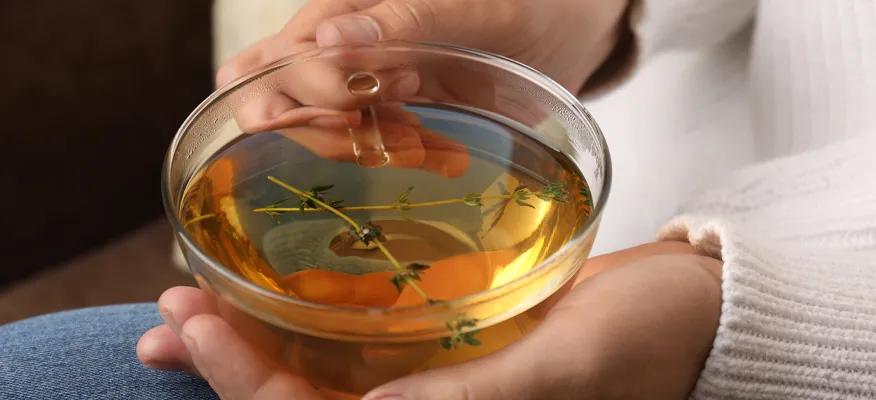
How Tea Can Help with Menstrual Symptoms
Herbal teas contain bioactive compounds—naturally occurring chemicals that interact with the body to produce certain effects. Many of these compounds, such as flavonoids, tannins, and antioxidants, reduce inflammation and relax muscles, helping with symptoms like cramps and bloating. Additionally, the warmth of tea itself can help soothe abdominal pain and provide comfort, while specific teas may even affect hormone levels, promoting menstrual regularity.
Top Teas for Menstrual Relief
1. Ginger Tea: Reducing Inflammation and Pain
Ginger is well-known for its anti-inflammatory and analgesic properties, which can relieve menstrual cramps. Studies show that ginger inhibits the production of prostaglandins—chemicals that trigger uterine muscle contractions and cause cramps. Some research suggests that ginger may be as effective as ibuprofen for menstrual pain relief.
How to Use: Brew fresh ginger root or use ginger tea bags. Drinking 1–2 cups a day during your cycle may reduce pain and inflammation.
2. Chamomile Tea: Calming Cramps and Promoting Relaxation
Chamomile contains flavonoids and apigenin, which are known to reduce inflammation and relax the uterus. Additionally, chamomile is often used for its calming effects, helping alleviate mood swings, irritability, and anxiety that accompany PMS. Chamomile’s relaxing properties make it beneficial for those who experience sleep disturbances during menstruation.
How to Use: Drink chamomile tea 2–3 times a day, especially in the evenings, for relaxation and cramp relief.
3. Peppermint Tea: Alleviating Cramps and Reducing Bloating
Peppermint contains menthol, which has antispasmodic effects that can help relieve uterine cramps and relax the muscles of the digestive tract. This can reduce both menstrual cramps and the bloating often associated with PMS. Peppermint tea also has a cooling effect, which can ease discomfort and provide a refreshing taste.
How to Use: Drink 1–2 cups of peppermint tea daily during your menstrual period to alleviate cramps and bloating.
4. Cinnamon Tea: Anti-Inflammatory and Blood Flow Enhancer
Cinnamon is both anti-inflammatory and antispasmodic, which helps reduce pain and cramps. It also improves blood circulation, which can help alleviate menstrual symptoms by encouraging blood flow and reducing clotting. Some studies suggest that cinnamon may also help reduce heavy menstrual bleeding.
How to Use: Add a cinnamon stick to hot water, or use cinnamon tea bags. Drink once daily to experience its soothing effects.
5. Raspberry Leaf Tea: Toning the Uterus
Raspberry leaf tea is traditionally used for women’s health and is thought to help tone and strengthen the uterine muscles. It contains fragrine, an alkaloid that can reduce menstrual cramps by relaxing the uterus. Raspberry leaf tea is often used to ease menstrual discomfort and support overall reproductive health.
How to Use: Drink 1–2 cups a day during your menstrual cycle. Some people use raspberry leaf tea in the days leading up to their period as well.
6. Green Tea: Fighting Bloating and Mood Swings
Green tea is rich in antioxidants and polyphenols, which can help reduce inflammation and oxidative stress. Green tea also has a small amount of caffeine, which can improve alertness and mood without causing jitteriness. However, be cautious if you’re sensitive to caffeine, as too much can worsen anxiety for some people.
How to Use: Enjoy a cup of green tea in the morning or early afternoon to support mental clarity and reduce bloating.
7. Fennel Tea: Natural Antispasmodic Effects
Fennel contains anethole, a compound with antispasmodic properties, which can relax the uterus and relieve cramps. Fennel is also known for reducing bloating and supporting digestion, making it an ideal choice for managing both abdominal discomfort and menstrual pain.
How to Use: Brew fennel seeds or use a fennel tea bag. Drink 1–2 cups a day for pain and bloating relief.
The Science Behind Herbal Teas and Menstrual Health
Can Herbal Teas Really Replace Medications?
While herbal teas have demonstrated effectiveness in managing menstrual symptoms, they may not work for everyone or be as fast-acting as medication. Herbal teas typically work best as a complementary treatment rather than a complete replacement for medications. Studies show that ginger and chamomile, for instance, are effective in reducing menstrual pain and PMS symptoms, but more research is needed for other herbal teas.
Precautions and Considerations
Some herbs may interact with medications or have contraindications for certain health conditions, so it’s essential to consult a healthcare professional before introducing new herbal teas to your routine. Additionally, if you’re pregnant or breastfeeding, consult a doctor before drinking herbal teas.
FAQs
1. How many cups of herbal tea should I drink for menstrual relief?
It depends on the tea type, but generally, 1–3 cups daily is effective for most people. Adjust according to how you feel and any sensitivity to herbs or caffeine.
2. Can I combine different teas for better results?
Yes, you can blend certain teas, such as chamomile and peppermint, for a soothing and effective combination. Avoid mixing teas with similar active compounds to prevent overstimulation or excessive effects.
3. Are there any side effects to drinking these teas?
Most people tolerate herbal teas well, but some may experience mild side effects like an upset stomach or drowsiness. Limit intake if you notice any adverse reactions.
4. How soon before my period should I start drinking these teas?
For best results, start drinking menstrual relief teas 1–2 days before your period begins, especially if you’re prone to severe cramps or PMS symptoms.
5. Is it safe to drink tea every day during my cycle?
Yes, herbal teas are generally safe to drink daily, especially during your menstrual cycle. However, monitor your body's response and adjust intake if necessary.
Conclusion
Drinking tea for menstrual relief is a natural, comforting way to manage cramps, bloating, and mood swings. Teas like ginger, chamomile, and peppermint each offer unique benefits for reducing pain and improving mood, while cinnamon and raspberry leaf teas support uterine health and blood flow. While herbal teas can be an excellent addition to your routine, remember they may work best alongside other lifestyle adjustments, such as staying hydrated and maintaining a balanced diet. Always consult with a healthcare provider if you’re exploring natural remedies, especially if you have any health concerns.

No comments:
Post a Comment