Your menstrual cycle is closely linked to your diet, and the foods you consume can play a significant role in supporting a healthy, regular cycle. Nutrients, vitamins, and minerals in various foods can help balance hormones, reduce PMS symptoms, and promote overall reproductive health. In this guide, we'll look at how specific foods affect the menstrual cycle and which ones can help maintain regularity.
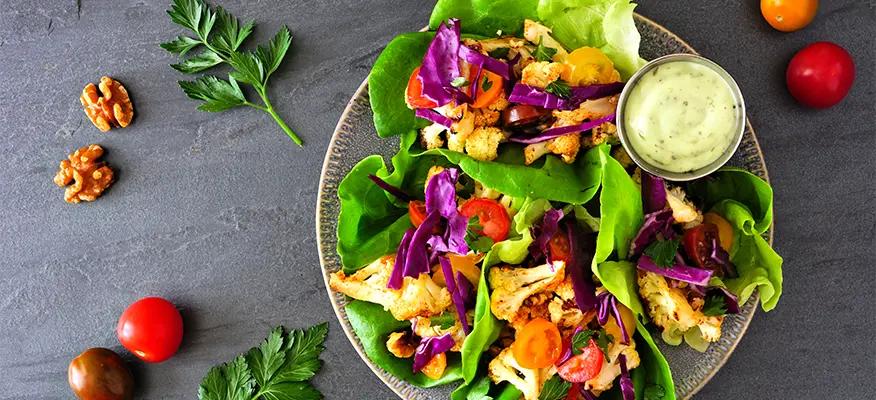
How Diet Influences the Menstrual Cycle
Your menstrual cycle relies on a complex interplay of hormones, including estrogen, progesterone, and luteinizing hormone, which are sensitive to changes in nutrient levels. A balanced diet rich in essential nutrients can help regulate these hormones, ensuring a smoother cycle. Factors like blood sugar stability, inflammation, and stress hormones are also influenced by diet and can directly impact menstrual health.
Foods to Support a Regular Menstrual Cycle
1. Leafy Greens: Rich in Iron and Magnesium
Leafy greens like spinach, kale, and swiss chard are high in iron and magnesium, two minerals that are essential for menstruating women. Iron helps prevent anemia, which is common in women with heavy periods, while magnesium can reduce muscle cramps and PMS symptoms by relaxing muscles and balancing hormones.
Quick Tip: Add leafy greens to your daily diet in salads, smoothies, or as side dishes to boost your iron and magnesium intake.
2. Whole Grains: Stabilizing Blood Sugar Levels
Whole grains, such as oats, brown rice, and quinoa, are packed with fiber and complex carbohydrates that help stabilize blood sugar levels. Blood sugar fluctuations can lead to hormonal imbalances, which may result in irregular cycles. Whole grains also contain B vitamins, which play a vital role in regulating estrogen levels.
Quick Tip: Start your day with oatmeal or add quinoa to salads for a blood-sugar-friendly meal that promotes cycle regularity.
3. Nuts and Seeds: Balancing Hormones with Essential Fats
Nuts and seeds, including almonds, walnuts, flaxseeds, and pumpkin seeds, are rich in omega-3 fatty acids and phytoestrogens. Omega-3s reduce inflammation, which can help manage PMS and menstrual cramps. Phytoestrogens are plant-based compounds that mimic estrogen, supporting hormone balance naturally.
Quick Tip: Add a handful of nuts and seeds to your diet each day. Try pumpkin seeds and flaxseeds in your smoothie or sprinkle walnuts on yogurt.
4. Fatty Fish: Reducing Inflammation and Easing PMS Symptoms
Fatty fish like salmon, mackerel, and sardines are excellent sources of omega-3 fatty acids, which help reduce inflammation and support brain health. Omega-3s have also been shown to help reduce the intensity of menstrual cramps and balance hormones. They’re also a good source of vitamin D, which can help alleviate PMS symptoms and support mood stability.
Quick Tip: Aim to eat fatty fish at least twice a week to enjoy its full benefits. If you’re not a fan of fish, consider a quality omega-3 supplement.
5. Dark Chocolate: A Sweet Solution to Cramps and Mood Swings
Dark chocolate (at least 70% cocoa) is rich in magnesium, which helps reduce muscle tension and alleviate PMS symptoms. It also contains antioxidants that can improve mood and reduce stress. Eating dark chocolate in moderation can be a healthy way to satisfy cravings while supporting menstrual health.
Quick Tip: Treat yourself to a small piece of dark chocolate daily, especially during your menstrual cycle, to benefit from its mood-boosting and anti-cramp effects.
6. Fruits High in Antioxidants: Boosting Overall Menstrual Health
Berries, oranges, and cherries are high in antioxidants and vitamin C, which support a healthy menstrual cycle. Vitamin C aids iron absorption, crucial for women with heavy periods, and can help reduce inflammation. Antioxidants protect against oxidative stress that can disrupt hormonal balance.
Quick Tip: Incorporate a variety of fruits in your diet to get the full spectrum of antioxidants and vitamins for menstrual health.
7. Legumes and Beans: A Rich Source of Protein and Fiber
Beans and legumes, such as lentils, chickpeas, and black beans, provide a plant-based source of protein, fiber, and iron. They help regulate blood sugar and provide energy while supporting hormone regulation. The fiber in legumes also aids in estrogen balance by promoting healthy digestion and elimination.
Quick Tip: Add chickpeas to salads, enjoy a lentil soup, or have black beans as a side dish to incorporate more legumes into your diet.
8. Water and Herbal Teas: Staying Hydrated and Alleviating Bloating
Hydration is essential for a smooth menstrual cycle. Drinking plenty of water helps prevent bloating, cramps, and headaches that often accompany PMS. Herbal teas, such as chamomile and ginger, are excellent choices for menstrual health as they soothe the digestive system and reduce inflammation.
Quick Tip: Keep a water bottle with you throughout the day and opt for herbal teas to stay hydrated and calm your digestive system.
Foods to Limit for a Healthier Menstrual Cycle
1. Processed Foods and Sugary Snacks
Processed foods and snacks high in refined sugars can lead to blood sugar spikes and crashes, which can interfere with hormone balance and exacerbate PMS symptoms. Aim to limit sugary snacks and opt for natural sources of sugar, such as fruits.
2. Caffeine
High caffeine intake can exacerbate anxiety, irritability, and PMS symptoms, as well as contribute to dehydration. While moderate coffee or tea is fine, try to limit caffeine intake, especially in the days leading up to your period.
3. Alcohol
Alcohol can interfere with hormonal balance and dehydrate the body, intensifying PMS symptoms. Reducing alcohol intake or avoiding it altogether can improve cycle regularity and reduce symptoms like bloating and mood swings.
FAQs
1. Can certain foods delay my period?
Yes, diets low in nutrients, high in processed foods, and irregular eating habits can cause hormonal imbalances that might delay your period. Eating a balanced diet is essential to support regular cycles.
2. How does fiber impact my menstrual health?
Fiber helps with digestion and regulates estrogen levels by promoting the elimination of excess hormones. This can lead to more balanced hormones and a more regular menstrual cycle.
3. Are there specific foods to eat before my period?
Yes, foods rich in magnesium (like leafy greens and dark chocolate) and complex carbs (like oats and whole grains) can help alleviate PMS symptoms. High-protein snacks and healthy fats can also stabilize mood and energy levels.
4. Can I avoid cramps by eating certain foods?
Yes, foods high in magnesium and omega-3 fatty acids, such as dark chocolate, leafy greens, and fatty fish, have muscle-relaxing and anti-inflammatory properties that can reduce cramps.
5. Does hydration really help with PMS?
Absolutely. Staying hydrated can alleviate bloating, cramps, and headaches associated with PMS. Drinking water and herbal teas can make a significant difference.
Conclusion
What you eat plays a crucial role in managing and maintaining a regular menstrual cycle. By incorporating leafy greens, whole grains, fatty fish, dark chocolate, and other nutrient-rich foods into your diet, you can promote better hormonal balance, reduce PMS symptoms, and support a healthy cycle. Embracing these foods and cutting down on processed items, caffeine, and alcohol can help you feel more balanced and at ease throughout the month.

No comments:
Post a Comment